
 December 1, 2025
  8 min read
Most hiring decisions are still based on gut feeling, and it’s costing companies top performers. It is no longer sufficient to simply review CVs and conduct interviews. Companies want teams that are adaptable, collaborative, and capable of performing at a high level from day one. Yet with competition for talent growing and roles becoming more complex, it is harder than ever to identify candidates who will truly thrive in your environment.
This is why talent assessment tests have become essential tools for modern hiring. When used well, they reveal how someone thinks, learns, behaves, solves problems, communicates, and adapts within a team setting. They reduce guesswork, increase fairness, and bring data into decisions that were once based on intuition alone. For organizations that already rely on strong recruitment strategies, such as those described in our article on recruitment strategies, assessments make the entire talent pipeline more predictable and aligned.
To build high performing teams, you need clarity about what success looks like, consistency in how you compare candidates, and reliable signals about how individuals will contribute to your culture and long term goals. Talent assessment tests help you do exactly that.
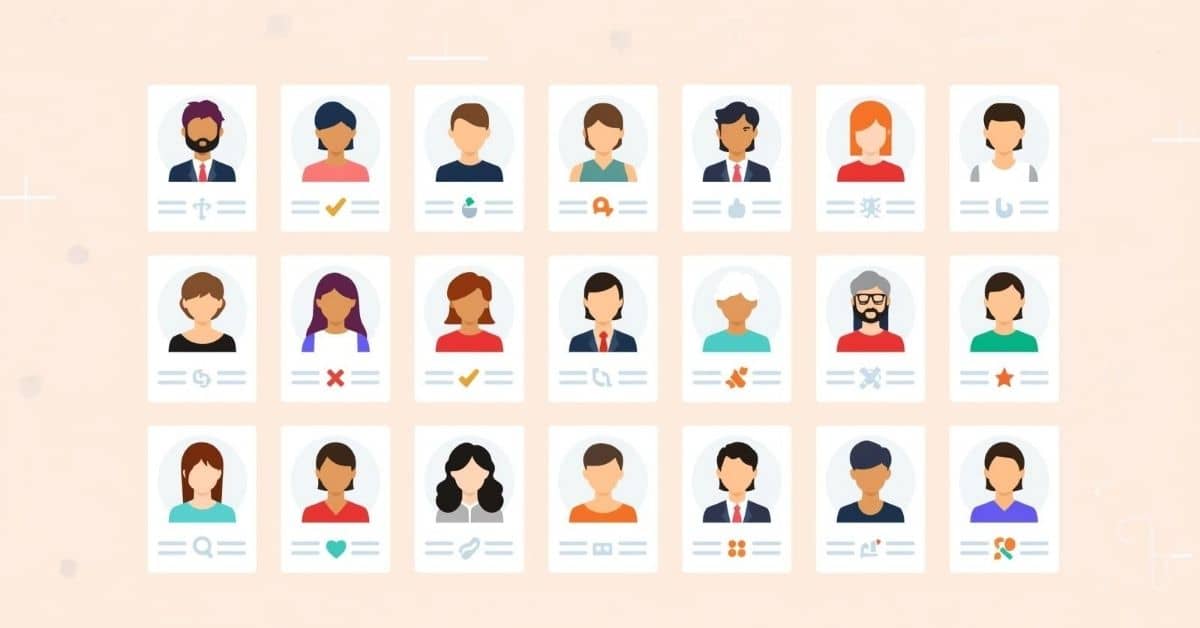
Talent assessment tests are structured tools used to evaluate a candidate’s cognitive ability, behavior, and job fit. They matter because they help predict job performance more accurately than resumes or interviews alone. High performing teams do not happen by accident. They are built through intentional hiring and thoughtful development. Talent assessment tests give structure to this process by helping you identify the right people earlier and more accurately.
Talent assessment tools move beyond surface level impressions by providing insight into deeper performance drivers, such as:
- Cognitive ability, which predicts how quickly someone can learn, problem solve, and adapt to changing demands
- Behavioral tendencies, which indicate how an individual communicates, collaborates, and manages stress
- Motivation and drive, which influence long term engagement and role commitment
- Cultural alignment, which affects performance, retention, and team cohesion
Assessment data also strengthens fairness. It brings every candidate through the same structured process, reducing the influence of personal biases that can creep into traditional interviews. Research shows that structured, data driven hiring can improve quality of hire by more than thirty percent.
When combined with your organization’s competency models and role expectations, assessments make it easier to predict who will excel, who aligns with culture, and who may become a valuable long term contributor. This becomes even clearer when compared to more traditional hiring approaches.
Talent Assessments vs Traditional Hiring Methods
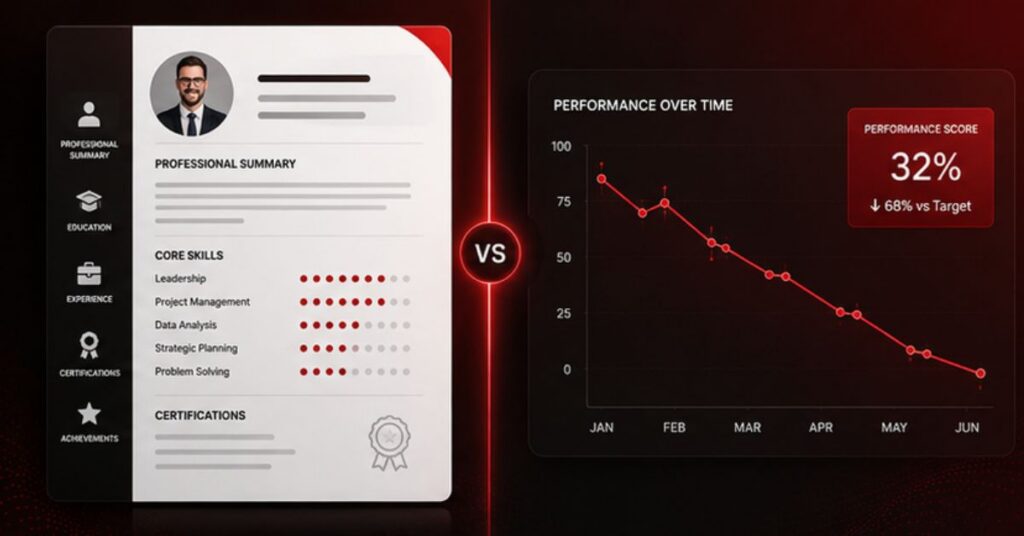
Traditional hiring methods such as resume screening and unstructured interviews often rely on subjective judgment. While useful, they are limited in predicting real job performance.
In contrast, talent assessment tests provide:
- Objective, data-driven insights
- Standardized evaluation across candidates
- Better prediction of on-the-job performance
- Reduced bias in decision-making
This is why companies increasingly combine interviews with structured assessments to improve hiring accuracy.

Before administering talent assessment tests, it is critical to define the competencies and behaviors that matter most for the role and the team. High performing teams usually depend on people who display strong communication, problem solving, accountability, adaptability, and healthy collaboration. However, each team and role requires something slightly different.
To clarify these needs, many organizations outline:
- Success indicators that define what high performance looks like in the role
- Behavioral expectations such as communication style, accountability, or initiative
- Cognitive requirements like analytical reasoning, rapid learning, or attention to detail
- Cultural contributions such as collaboration, empathy, or openness to change
Once these elements are identified, assessments provide measurable ways to compare candidates consistently. Insights from these tools help hiring teams evaluate what truly matters for long term performance instead of being distracted by resume polish or interview confidence. The result is a more accurate talent match and a stronger foundation for team excellence.
To unlock their full value, however, it’s not just about what you assess, but how you use these assessments throughout the hiring journey.

How Should Talent Assessment Tests Be Used in the Hiring Process?
A common mistake is treating assessments as a single step in the hiring process. They are most effective when integrated into several stages of screening and evaluation.
Strong assessment driven selection often includes:
- Short early stage evaluations that identify high potential candidates quickly without heavy time investment
- Job personality assessments that reveal communication style, stress response, and interpersonal tendencies
- Behavioral or situational assessments that simulate real work challenges to evaluate judgment and decision making
- Structured interview guides informed by assessment results to deepen conversations about key traits
This approach mirrors what strong talent teams use when analyzing internal performance, taking cues from validated hr assessments. When these methods work together, they provide a level of accuracy that interviews alone cannot match.

Improving Team Dynamics With Behavioral and Cognitive Insights
High performing teams depend on balance. Not everyone needs to think the same way, communicate the same way, or approach problems identically. In fact, this often works against innovation. Talent assessment tests reveal these differences clearly, helping you assemble teams with complementary strengths and working styles.
Behavioral insights make it easier to:
- Pair complementary thinkers such as analytical problem solvers with creative strategists
- Match communication styles so collaboration improves instead of clashing
- Understand stress responses and keep workloads balanced across the team
- Predict friction points and address them early through coaching or workflow adjustments
This is also why assessments are useful long after hiring. They help managers tailor communication, understand what motivates each employee, prevent conflicts, and create more supportive team environments. These insights extend into other people management systems, including structured Performance Appraisal Methods and leadership development. Ultimately, their impact goes far beyond the hiring decision itself.

A well executed hiring process does not end once a candidate accepts the offer. The transition into the role and early months at the company determine whether someone will succeed. Insights from talent assessment tests bring tremendous value here.
During Employee onboarding, behavioral and cognitive data can guide:
- How managers introduce responsibilities, adjusting to the new hire’s strengths
- Communication expectations, ensuring clarity based on working style
- Early development plans, targeting the skills that need reinforcement
- Support structures, such as pairing new hires with mentors who complement their personality profile
Assessments also help identify future leadership potential early. As employees grow, their original assessment data becomes a baseline for development plans, coaching strategies, and upskilling programs. Teams that use assessments continuously see higher retention and improved engagement.
Ensuring Fairness, Transparency, and Ethical Assessment Practices
Talent assessment tests must be used ethically. Candidates should always understand what an assessment is measuring and why it is part of the process. Every test should be clearly job related, easy to navigate, and respectful of candidates’ time.
Ethical assessment practices include:
- Transparent communication: Clear explanation of purpose and value
- Job relevance: Direct alignment between tests and role requirements
- Accessible design: Simple, stress-free candidate experience
- Fair scoring: Consistent evaluation across all candidates
- Proper training: Ensuring hiring teams interpret results correctly
Transparency and fairness improve employer brand and encourage candidates to engage authentically.
Key Takeaways
- Talent assessments improve hiring accuracy through objective, data-driven insights
- Strong teams are built by evaluating skills, behavior, motivation, and collaboration style
- Combining cognitive, behavioral, and practical tests creates a more complete candidate view
- Hiring for team fit improves performance, balance, and long-term outcomes
- Assessments can improve retention and reduce time to productivity
- Ethical and transparent use strengthens candidate experience and trust
- Ongoing analysis helps continuously improve hiring quality and strategy
Building High Performing Teams With GoPick Solutions
The companies that win in hiring are not the ones with the most applicants, but the ones with the clearest signals. That’s exactly where structured assessment systems make the difference.
At GoPick Solutions, a provider of talent assessment and hiring intelligence tools, we help organizations design and deploy talent assessment systems that produce clear, predictive insights. Our validated tools, candidate friendly platforms, and expert consultants support hiring teams at every stage, from screening and selection to onboarding and long term development.
If you’re ready to improve hiring accuracy, strengthen team performance, and build a more data-driven hiring process, we can help.
Explore our Assessment Solutions:
https://gopicksolutions.com/assessment-solutions/
Speak with an HR Solutions Consultant:
https://gopicksolutions.com/contact-us/
Frequently Asked Questions
What is a talent assessment test?
A talent assessment test is a structured evaluation used to measure cognitive ability, behavior, motivation, and job fit to predict candidate performance.
Why are talent assessment tests important for hiring?
They matter because they predict job performance more accurately than resumes or interviews alone and help build high-performing, reliable teams.
What do talent assessment tests measure?
They measure cognitive ability, behavioral tendencies, motivation and drive, and cultural alignment to assess how a candidate will perform in a role.
How do talent assessments improve hiring decisions?
They improve hiring decisions by providing structured, data-driven insights that reduce bias and increase consistency in candidate evaluation.
When should talent assessment tests be used in hiring?
They should be used at multiple stages, including early screening, evaluation, and final decision-making, to improve accuracy throughout the hiring process.
How do talent assessment tests help build high-performing teams?
They help identify candidates with the right mix of cognitive ability, behavior, and motivation, leading to better collaboration, performance, and team balance.
Do talent assessment tests reduce hiring bias?
Yes, they reduce bias by ensuring all candidates go through a standardized evaluation process based on consistent criteria.
How can talent assessments improve employee retention?
They improve retention by ensuring better role fit and cultural alignment, which leads to higher engagement and long-term commitment.