
 November 13, 2025
  7 min read
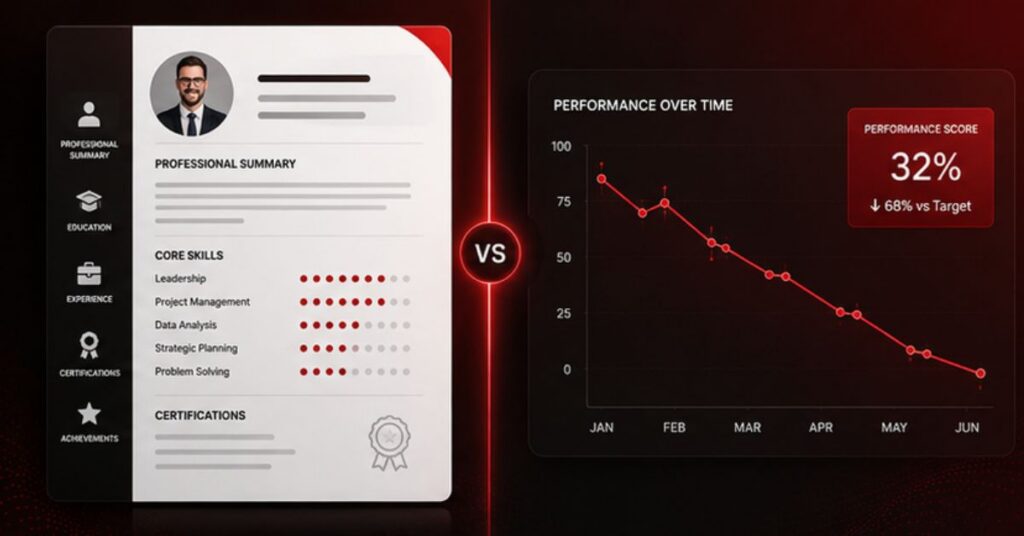
Finding the right person for a role often comes down to more than what’s written on a CV. Skills, behaviours, and mindset all play a role in whether someone will actually succeed once they’re hired. This is where hiring assessments prove to be a powerful tool that helps employers evaluate candidates in a more structured and predictive way.
These tools go beyond intuition, providing structure and fairness to your recruitment process. In fact, according to Entrepreneur, around 80% of Fortune 500 companies use personality tests to better understand employees and improve hiring outcomes.
When designed well, hiring assessments not only help you choose the right person for the role, but also attract candidates who value clarity and professionalism in the hiring process. Let’s explore eight ways to make your assessments more effective, engaging, and predictive.

1. Define Clear Objectives
Before you create an assessment, you must understand why you’re using it. Hiring assessments can measure a wide range of factors — from job knowledge to interpersonal skills — and each serves a different purpose in the hiring process.
Assessment objectives typically fall into three core areas:
- Core job competencies: Non-negotiable skills required to perform the role
- Behavioral traits: The personality characteristics that succeed in this environment
- Learning agility: The ability to adapt as the role evolves
When your objectives are clearly aligned with the role, your assessment becomes structured and purposeful rather than generic. For instance, a data analyst role might focus on numerical reasoning and logic, while a customer success manager might require empathy, adaptability, and communication-focused questions.

2. Select the Right Type of Assessment
The right test depends on what you’re trying to evaluate. There’s no universal approach, but a mix of different formats often yields the most accurate results.
The most common assessment types used in hiring include the following:
- Cognitive ability tests: Measure reasoning, problem-solving, and decision-making.
- Skills assessments: Evaluate practical knowledge and task execution (for example, writing samples, coding tests, or Excel challenges).
- Personality tests: Provide insights into behavioral tendencies, motivation, and work style.
- Situational judgment tests (SJTs): Present real-world challenges to assess judgment and values.
For roles that depend heavily on interpersonal dynamics, combining a job personality test with a skills evaluation provides a complete picture of a candidate’s potential.
We’ve covered more examples in our Remote Pre-Employment Testing Tips for Recruiters.

3. Keep Every Question Job-Relevant
Candidates quickly lose trust when assessments feel arbitrary or irrelevant. Every question, scenario, or task should connect directly to on-the-job behaviors and desired outcomes.
- For a sales position, use role-play scenarios that test negotiation and persuasion.
- For a developer, assess problem-solving with a coding challenge rather than trivia questions.
- For HR roles, include case studies on team dynamics or conflict resolution.
By staying job-specific, you show candidates that your process is thoughtful, and you collect insights that directly correlate to performance.
4. Balance Challenge with Candidate Experience
A strong assessment should challenge candidates — but not exhaust or frustrate them. Striking the right balance helps you maintain engagement and leave a positive impression.
- Keep timing reasonable: Most tests should take under 45 minutes
- Offer context: Let candidates know how the test fits into the process
- Use plain language: Avoid corporate jargon or overly technical phrasing
- Provide feedback: Even a short note afterward makes a big difference in candidate satisfaction
When assessments feel fair, you enhance your employer brand and reduce candidate drop-off rates — which is especially important in competitive industries.

5. Include Soft-Skill and Personality Insights
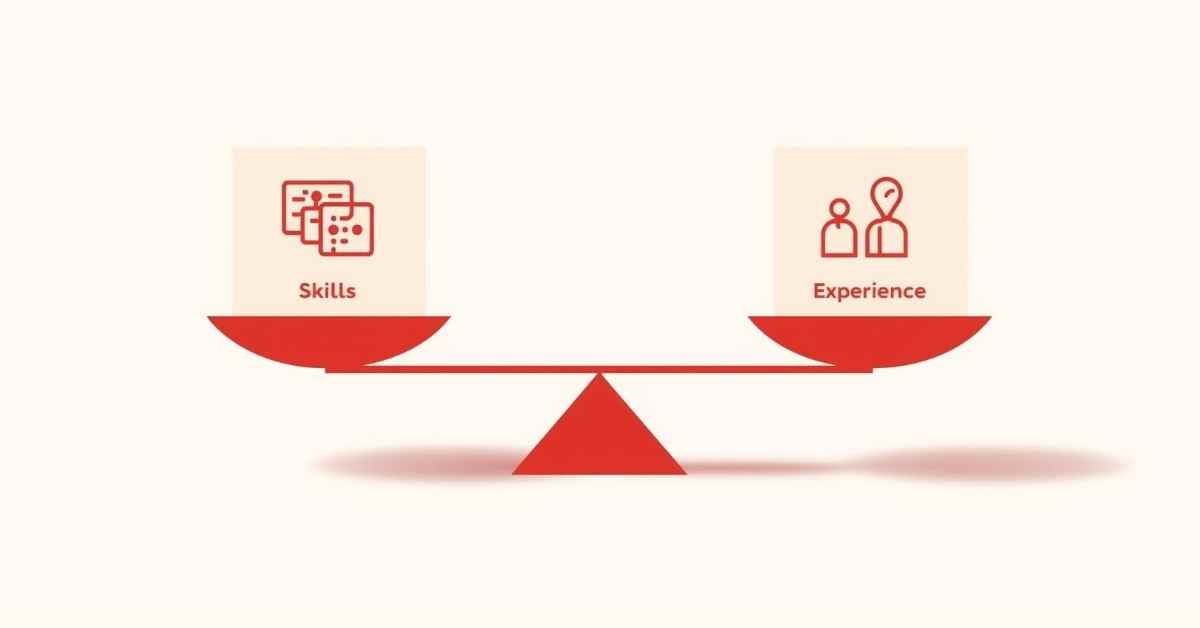
Skills and qualifications can be trained, but traits like resilience, empathy, and integrity are harder to teach. That’s why personality assessments are invaluable.
These evaluations reveal how someone will fit within your culture, handle stress, and collaborate with others. Consider measuring traits such as:
- Conscientiousness: Reliability and attention to detail
- Openness: Willingness to learn and adapt
- Emotional intelligence (EI): Empathy and self-awareness
- Team orientation: Collaboration and trust-building
Integrating soft-skill assessments helps you predict not only performance but retention. For a deeper dive into scientifically validated options, explore 7 Things to Look for in an HR Assessments Provider.

6. Test Consistently Across All Candidates
To ensure fairness and reduce bias, every candidate should experience the same structure, timing, and scoring system. Standardization creates consistency — and consistency creates credibility.
- Use automated platforms that deliver identical assessments to each applicant.
- Train hiring teams to interpret results objectively.
- Set scoring rubrics in advance to prevent bias creep.
Consistency also improves your data quality, helping you spot meaningful patterns in candidate performance rather than one-off impressions.

7. Incorporate Real-World Scenarios
One of the best ways to predict job performance is to simulate it. Realistic tasks allow candidates to demonstrate how they’d respond in actual workplace situations.
Common formats for these types of assessments include:
- Work samples: Short projects or mini-assignments tied to real deliverables
- Case studies: Industry-specific challenges that require analytical or creative thinking
- Role simulations: Practice interactions such as client meetings or presentations
Candidates appreciate this approach because it gives them a taste of the role — and helps them self-assess whether they’re a good fit before joining.

8. Analyze and Continuously Improve
Finally, your hiring assessments should evolve with your organization. Collect feedback from both hiring managers and candidates after every round to refine your tools.
To guide this process, focus on the following questions:
- Did assessment results align with eventual job performance?
- Were there any questions that confused or frustrated candidates?
- Did completion rates drop at any specific point?
Use analytics from your applicant tracking system (ATS) or HR software to track completion rates, performance correlations, and time-to-hire metrics. For a structured way to evaluate performance outcomes, see The Guide to Effective Performance Appraisal Methods.
Key Takeaways
- Hiring assessments improve decision-making by adding structure and objectivity to recruitment
- The most effective assessments combine skills, cognitive ability, and personality insights
- Candidate experience matters, keep assessments short, relevant, and transparent
- Standardization is critical to reduce bias and improve fairness
- Real-world simulations are one of the strongest predictors of job performance
- Continuous analysis and optimization turn assessments into long-term hiring assets
Wrapping Up
Hiring assessments are more than filters — they’re predictive tools that help build stronger, more reliable teams. When designed thoughtfully, they improve both hiring quality and candidate experience. The key is to treat them as something that evolves with your organization, not a one-time exercise.
If you’re looking to build structured, data-driven hiring assessments for your team, GoPick Solutions can help you design and implement validated evaluation tools tailored to your roles and hiring needs.
Explore our Assessment Solutions:
https://gopicksolutions.com/assessment-solutions/
Speak with an HR Solutions Consultant:
https://gopicksolutions.com/contact-us/
Frequently Asked Questions
What are hiring assessments?
Hiring assessments are structured tools used in recruitment to evaluate a candidate’s skills, behaviour, and job fit beyond their CV or interview performance.
What types of hiring assessments are most common?
The most common hiring assessments are cognitive ability tests, skills assessments, personality tests, and situational judgment tests (SJTs).
Why are job-relevant assessments important?
Job-relevant assessments improve hiring accuracy by ensuring candidates are evaluated on tasks and behaviours that reflect real job performance.
How do hiring assessments improve candidate experience?
They improve candidate experience by providing clear expectations, a fair evaluation process, and transparency about how hiring decisions are made.
Why use multiple types of assessments in hiring?
Using multiple assessment types creates a more complete picture of a candidate by evaluating skills, behaviour, and cognitive ability together.
How do companies ensure fairness in hiring assessments?
Fairness is ensured by standardising tests, using consistent scoring criteria, and applying the same assessment process to all candidates.
What are work-based hiring assessments?
Work-based assessments simulate real job tasks, such as case studies, work samples, or role plays, to predict actual job performance.
How should hiring assessments be improved over time?
Hiring assessments should be improved using candidate feedback, hiring manager input, and performance data like completion rates and job success outcomes.