
 November 18, 2025
  11 min read
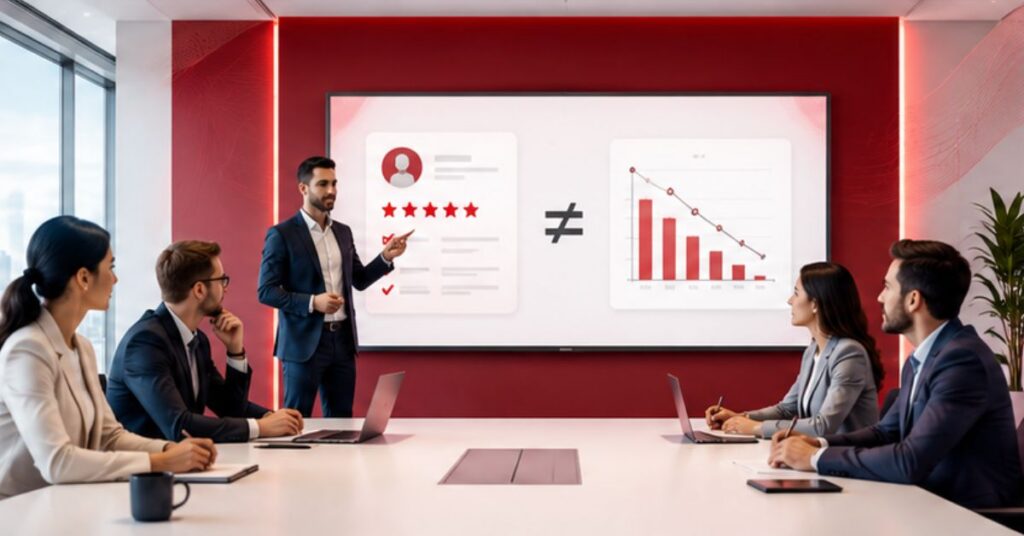
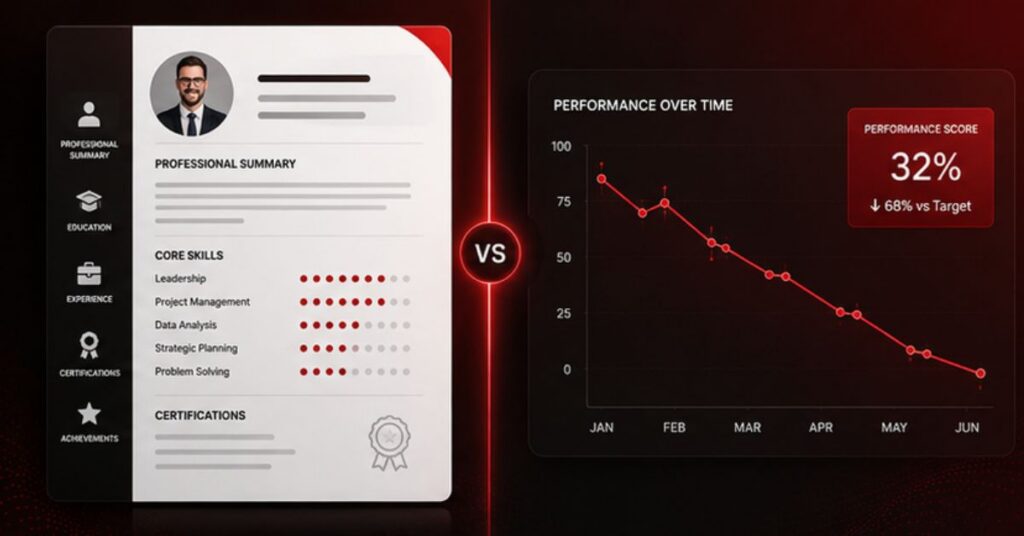
Hiring today goes far beyond reviewing resumes or relying on interview performance alone. While candidates may appear equally qualified on paper, their real-world impact can differ dramatically once they join a team. Some employees adapt quickly, communicate effectively, and thrive under pressure, while others may struggle with collaboration, feedback, or long-term engagement.
This gap highlights a critical limitation in traditional hiring methods. Resumes and interviews rarely show how someone will think, behave, and interact at work. That’s why more companies are turning to employment personality assessments as a key part of their hiring process.
Employment personality assessments provide deeper insight into candidate behavior, work style, and cultural fit. This helps hiring teams make more informed, data-driven decisions. When used correctly, employment personality assessments become a powerful partner to your broader recruitment strategies, turning your hiring process into something structured, fair, and highly predictive.
What Do Employment Personality Assessments Actually Measure?
Employment personality assessments are not about labeling people or putting them into boxes. Their purpose is to measure consistent behavioral tendencies that show up in the workplace. These patterns influence how someone solves problems, works with others, handles stress, and responds to change.
Well designed assessments focus on dimensions such as:
- Interaction style: collaborative vs. independent
- Reaction to pressure: calm vs. reactive
- Motivation: recognition, achievement, stability, creativity
- Decision-making style: fast vs. analytical
- Conflict and feedback handling
Good assessments go beyond generic labels. They create a nuanced picture that can be tied directly to job requirements. This is especially valuable when combined with structured pre employment testing that measures skills and cognitive ability. Together, they answer two critical questions:
- “Can this person do the job?”
- “How will they do the job?”
In short, these assessments give hiring teams evidence about behavioral fit that would be hard to uncover through interviews alone.
How to Define Behavioral Fit Before Using Personality Assessments
The effectiveness of any employment personality assessment depends on what you are measuring it against. If there is no clear picture of what “good” looks like in the role, the data has nothing solid to anchor to.
Before you run a single assessment, you should:
- Clarify the purpose of the role, not just tasks, but the outcomes it must drive
- Identify the environment the person will be working in, for example highly structured or very dynamic
- Map out the behaviors that support success, for example persistence, empathy, attention to detail, calm under pressure
- Think about team dynamics, such as whether the team needs someone to stabilize, challenge, or energize it
For example, a role in customer success might call for high empathy, patience, and strong listening skills, whereas a business development position might require assertiveness, resilience, and comfort with risk. A role that relies on deep focus and detail will benefit from different traits than one that constantly shifts and demands rapid context switching.
This type of behavioral profiling sits comfortably alongside more traditional hr assessments and competency models. By defining in advance which traits matter most, you ensure your use of personality assessments is intentional, not generic. You are no longer just asking “What kind of person is this?” but “Is this the kind of person who will thrive in this specific role and this specific team?”
Integrating Employment Personality Assessments Into Your Hiring Process
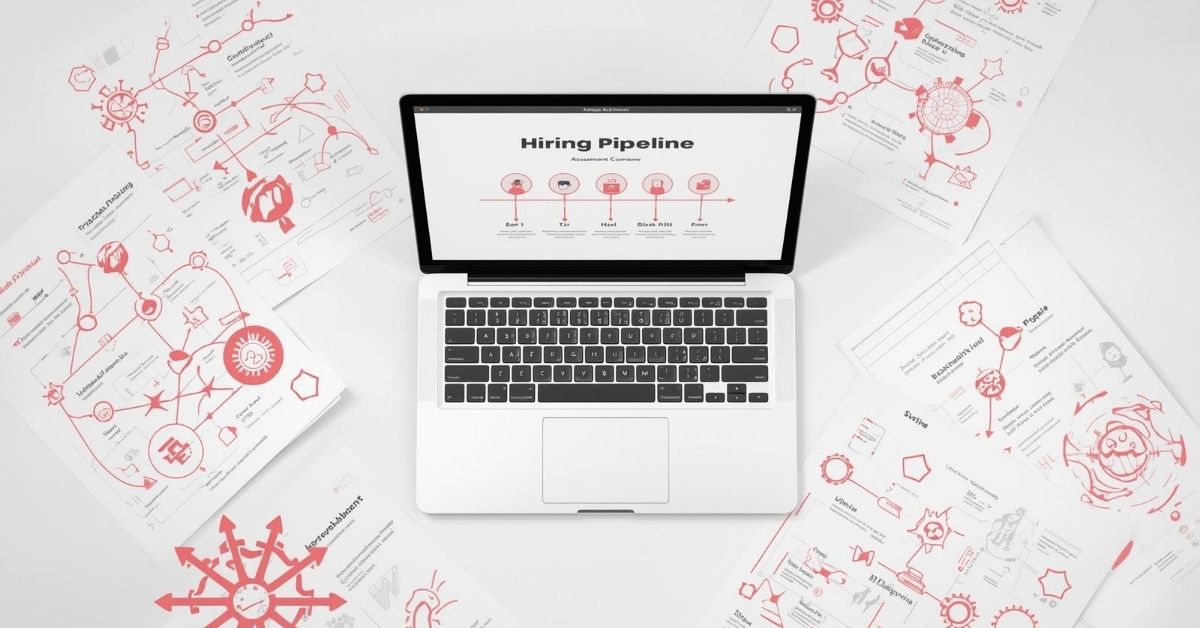
Employment personality assessments are easiest to implement, and most effective, when they are treated as one part of a wider, structured hiring process rather than a standalone gatekeeper.
A typical flow might look like this:
- Initial screening using CVs, application questions, and sometimes basic skills checks
- Cognitive or job relevant testing to verify capability, often through pre employment testing
- Employment personality assessment to understand behavioral and cultural fit
- Structured interviews that use assessment insights to ask better questions
- Work samples or simulations for high impact or senior roles
- Final decision discussion where all data points are reviewed together
In this framework, the personality assessment is a tool for insight, not elimination. It prompts more focused interviews and more thoughtful deliberation. For example, if a candidate’s profile shows strong drive but potential impatience, interviewers might ask more targeted questions about how they handle setbacks or feedback. If someone appears highly collaborative but conflict averse, the hiring team can explore how they handle difficult conversations or disagreements.
This combination of data and conversation creates a more balanced evaluation. It helps ensure that no single interview, impression, or anecdote carries disproportionate weight, and that decisions consider how the candidate will actually behave day to day, not just how they perform in a one hour meeting.

How Personality Assessments Improve Team Fit and Culture
One of the most powerful benefits of employment personality assessments is their impact on team building. Hiring is not only about whether someone fits a job, it is about whether they fit a group of people who need to work together effectively.
Personality insights can help you:
- Spot gaps in an existing team, for example if everyone is detail focused but no one is comfortable with big picture thinking
- Avoid unintentional clustering, such as hiring only highly dominant personalities into a small team that needs cohesion and listening
- Match managers and direct reports more thoughtfully, so communication and feedback styles complement each other
- Identify candidates who bring something new that the team genuinely needs, rather than simply hiring more of the same
Sometimes the best hire is not the person who looks most similar to your current top performer, but the person who adds a balancing element. For example, a team full of energetic, creative thinkers might benefit from someone steady, organised, and calm. A very analytical team might benefit from someone who naturally pays attention to relationships and wellbeing.
Employment personality assessments give language and structure to these conversations. They help you think about teams not just as collections of skills, but as systems of interactions and behaviors.

Using Personality Insights for Onboarding and Employee Development
The value of employment personality assessments doesn’t end at hiring. The same insights that support hiring can dramatically improve how you onboard, develop, and retain employees.
Assessment data can inform:
- Onboarding design: How you structure an individual’s first weeks and months in the role
- Support and communication style: What helps them settle in and perform confidently
- Pacing of responsibilities: How quickly to increase workload based on confidence and resilience
- Feedback and recognition preferences: What type of feedback motivates them most
This links directly into effective employee onboarding, where personalisation makes a significant difference to early engagement and performance. Rather than treating all new hires the same way, you can coach managers to adapt slightly for each person. A highly independent new hire might appreciate clear goals and minimal micromanagement. Someone who values collaboration may benefit from early introductions and structured touchpoints.
Over time, personality insights can also contribute to development plans, succession planning, and performance appraisal methods. They help explain not only what people are doing, but why they approach work the way they do, which in turn supports more targeted coaching.

Ensuring Fairness and a Positive Candidate Experience in Assessments
Personality assessments are personal, so they must be handled carefully. When candidates feel like they are being judged or reduced to a label, trust is damaged. When assessments are framed as tools to understand fit and support success, they are far more likely to be accepted.
Good practice includes:
- Explaining clearly why the assessment is being used and how it will influence decisions
- Reassuring candidates that there are no “good” or “bad” personalities, only different strengths and fits
- Using validated tools designed specifically for employment contexts, not casual online quizzes
- Ensuring results are interpreted by trained HR or management professionals, not guessed at
- Keeping results confidential and using them only for job relevant decisions
Ethical use is not just a legal or reputational issue, it is also practical. Fairness increases the likelihood that candidates will answer honestly, which improves the quality of the data you are using to make decisions. Over time, this creates a virtuous cycle where better data leads to better hires, which leads to stronger teams.
Measuring the Impact of Employment Personality Assessments
To get the most from employment personality assessments, treat them as a long term investment, not a one off experiment. That means tracking how well your assessment based hiring decisions perform in the real world.
Useful indicators include:
- Performance outcomes: How often new hires meet or exceed expectations in their first year
- Retention rates: By role, team, or manager
- Time to productivity: Compared with hires made without assessment data
- Manager feedback: On fit, behavior, and collaboration
- Internal mobility and promotions: For employees selected using personality data
By comparing this information against the traits you originally believed would predict success, you can refine your models and adjust what you look for. You might discover, for instance, that curiosity and learning orientation matter more than you thought for a particular role, or that a team benefits from more diversity in communication style than you originally assumed.
This continuous improvement mindset helps keep employment personality assessments aligned with real business needs, rather than locked into static assumptions.
Are Employment Personality Assessments Worth It?
Personality assessments go beyond resumes and rehearsed answers. They reveal how people are likely to behave in real work situations, how they will interact with colleagues, and how well they will adapt to the demands of a specific role and culture.
When combined with skills and cognitive testing, structured interviews, thoughtful onboarding, and ongoing evaluation, they turn hiring into a more predictable and fair process. Instead of relying on guesswork, you build teams with better alignment, stronger collaboration, and greater long-term potential.
Key Takeaways
- Employment personality assessments help predict how people will behave at work, not just what they can do
- Clear role expectations and defined behavioral needs are essential before using any assessment
- The greatest value comes when assessments are combined with skills tests, structured interviews, and work samples
- Personality insights improve team balance by revealing gaps, strengths, and collaboration styles
- The data doesn’t stop at hiring. It can significantly improve onboarding, management, and development
- Ethical use, transparency, and fairness are critical for both candidate trust and data quality
- Hiring quality improves over time when assessment outcomes are continuously measured and refined
- The goal isn’t to label people, it’s to make better, more consistent hiring decisions
Turning Hiring Insights Into Action
If you want to improve hiring accuracy and build a more structured, data-driven approach to talent decisions, exploring how employment personality assessments fit into your recruitment process is a natural next step.
GoPick Solutions helps organisations select and implement scientifically validated assessment tools that align with their specific roles, teams, and hiring objectives. This reduces guesswork in hiring and supports more consistent, evidence-based decisions.
Explore our Assessment Solutions:
https://gopicksolutions.com/assessment-solutions/
Speak with an HR Solutions Consultant:
https://gopicksolutions.com/contact-us/
Frequently Asked Questions
What is an employment personality assessment?
An employment personality assessment is a tool used in hiring to understand how candidates are likely to behave at work, including how they think, interact with others, and adapt to different situations.
Why are personality assessments used in hiring?
They help go beyond resumes and interviews by providing structured insight into candidate behaviour, motivation, and decision-making.
What do employment personality assessments measure?
They measure consistent behavioural tendencies such as interaction style, reaction to pressure, motivation, decision-making style, and how candidates handle conflict and feedback.
How do personality assessments improve hiring decisions?
They provide deeper insight into candidate behaviour, work style, and cultural fit, helping hiring teams make more informed, data-driven decisions.
When should personality assessments be used in the hiring process?
They are most effective as part of a broader, structured hiring process that also includes skills and cognitive testing, structured interviews, and work samples or simulations.
How do personality assessments improve team fit?
They help hiring teams identify behavioural gaps in a team, avoid unintentional clustering of similar personalities, and support more balanced team composition.
Are personality assessments used alone in hiring?
No. They are most effective when combined with skills testing, cognitive ability tests, structured interviews, and other evaluation methods.
How do companies ensure fairness when using personality assessments?
Fairness is ensured by using validated tools, applying them consistently, having trained professionals interpret results, and using them only for job-relevant decisions.
How are personality assessments used after hiring?
They can support onboarding, employee management, and development by helping tailor onboarding design, communication style, workload pacing, and feedback preferences.
How do companies measure the impact of personality assessments?
They measure impact using performance outcomes, retention rates, time to productivity, manager feedback, and internal mobility or promotion data.