

 November 21, 2025
  4 min read
Hiring the right people has never been more difficult. Candidate pools are large, roles are more complex, and competition for top talent is intense. At the same time, the cost of a mis hire continues to rise. That is why assessing candidates the right way has become one of the most important competencies for modern HR teams and business leaders.
Companies that rely on intuition alone miss the deeper behavioral, cognitive, and cultural indicators that truly predict performance. Those that take a structured, evidence based approach are able to hire more confidently, reduce risk, and build stronger, more resilient teams.
Effective assessment is not about adding more tests or making the process longer. It is about designing an experience that reveals how a candidate thinks, works, collaborates, and grows, while maintaining fairness, consistency, and an excellent candidate experience. From initial screening to final selection, every stage plays a role in building a clear, accurate picture of job fit and long term potential.

Why Modern Candidate Assessment Matters
Traditional hiring relied heavily on resumes, conversational interviews, and instinct. But as roles evolve and remote work expands talent pools globally, those methods can no longer stand on their own. Organizations now recognize the importance of blending structured assessment with human judgment to ensure every hire is aligned with both the role and the business.
Data supports this shift. Structured, data driven hiring methods can make hiring up to 74 percent faster and increase retention by over 37 percent. You can see the full breakdown in this analysis:
Moka HR Quality of Hire Study.
To strengthen your approach, it helps to pair your hiring framework with strong upstream
recruitment strategies so your applicant pool includes more qualified and aligned candidates from the beginning.
Understanding Skills, Behaviors, and Job Fit Together
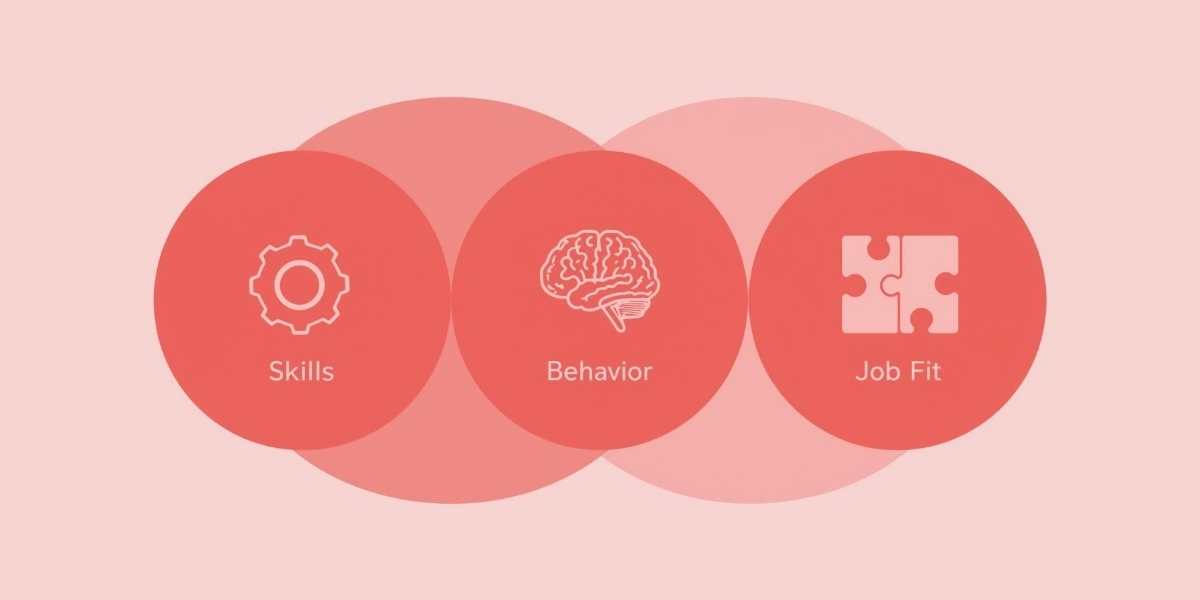
High quality assessment looks beyond experience and job titles. It evaluates how a person thinks, behaves, and performs in real world scenarios. That means exploring three dimensions:
Technical capability and role readiness
Hands on tasks, case studies, and targeted exercises reveal whether candidates have the functional skills needed for day to day success. Short, early stage
pre employment testing can help filter for competence quickly.
Personality and behavioral traits
Cognitive patterns, motivation, communication preferences, and emotional intelligence give insight into whether someone will thrive in your team environment. A well structured
job personality test or broader
employment personality assessment provides data that interviews alone cannot.
Alignment with culture and long term potential
Someone may perform well in isolation but not fit the pace, expectations, or values of your organization. Behavioral insights and structured evaluation frameworks help predict retention and future growth.
Creating a High Quality Screening Process
The assessment process truly begins during screening. This stage dramatically influences the quality of candidates that progress through your pipeline. A strong screening framework prevents unqualified applicants from moving forward while giving high potential candidates an opportunity to shine.
To build a strong screening system, companies rely on:
Clear role benchmarks that define success
Competencies and behavioral anchors help evaluators measure candidates against real performance needs.
Standardized CV screening
Using the same criteria helps reduce bias and ensures equal consideration across all applicants.
Early assessments that surface capability quickly
Situational tests or role specific exercises filter for strength without requiring heavy time investment.
Aligned evaluation criteria
Checklists and scoring frameworks keep hiring teams consistent.
Structured interview flows
Even early screening calls benefit from consistent question sets and predictive core competencies.

Using Assessments to Support Stronger Interviews
Interviews become far more effective when supported by assessment insights. Instead of starting from scratch, interviewers enter the conversation with a clearer understanding of where a candidate excels and where they may need deeper exploration.
Assessment data helps interviewers ask more targeted questions, differentiate between similar candidates, stay aligned with role expectations, and reduce bias through objective insights. This mirrors strategies used in strong internal evaluation frameworks such as structured
Performance Appraisal Methods.

Evaluating Candidate Experience Ethically and Fairly
A great assessment process is not just accurate, it is respectful. Candidates judge your brand based on how you communicate, what you ask of them, and whether the process feels fair and relevant.
Ethical and supportive assessment includes transparent communication, job relevant tasks, respectful time expectations, role aligned fairness, and proper training for teams who interpret assessment data. When done well, it sets the foundation for smoother
Employee onboarding.

Turning Insights Into Better Team Decisions
Ultimately, assessing candidates is about shaping the future of your organization. When insight driven assessment is used properly, teams gain more accurate role alignment, reduced turnover, improved team balance, identification of high potential talent, more equitable hiring, and scalable standardized processes across departments.
At GoPick Solutions, we help organizations design and implement these systems using validated evaluation tools, customized benchmarks, and evidence based hiring methodologies. Whether you are improving early screening, strengthening your interview approach, or building competency frameworks, our assessment solutions help you make stronger decisions at every stage of the hiring lifecycle.