

 November 10, 2025
  6 min read
Recruiting the right people is only part of building a strong workforce. The real advantage comes from understanding how people prefer to work, communicate, and solve problems. This is where a job personality test becomes valuable. It gives HR teams insight into whether a candidate will thrive in a specific role, with a specific manager, inside a specific culture.
A well selected job personality test helps hiring teams move beyond gut feel and CVs. It adds structure to interviews, reduces bias, and increases the chances of hiring people who stay. According to the Society for Human Resource Management (SHRM), more organisations are using personality or behavioural assessments to predict workplace success, because they provide data that resumes cannot.
Below, we will look at what job personality tests are, why they matter, the types available, and how to integrate them into a modern hiring process alongside your existing tools, such as pre employment testing and interviews.

What Is a Job Personality Test
A job personality test is a structured assessment that measures a person’s behavioural style, interpersonal preferences, and motivational drivers. Rather than asking, Can this person do the job, it answers, How will this person do the job.
These tests help recruiters see how someone is likely to make decisions, handle feedback, collaborate with colleagues, and respond to pressure. That information is difficult to capture in a single interview, especially for remote recruitment.
Why Job Personality Tests Matter in Modern Recruitment
Interviews remain important, but they are influenced by presentation, confidence, and interviewer bias. Personality data adds objectivity to the process.
- Reduced hiring bias: A job personality test uses the same criteria for every candidate. This helps HR teams focus on traits that are relevant to the role, instead of personal preference.
- Better culture fit: Tests show whether a person’s values and working style match the organisation, which is crucial for long term retention.
- Improved performance prediction: Traits such as dependability, emotional control, or collaboration can be matched to roles that need them most.
- Lower turnover: People who work in ways that feel natural to them tend to stay longer.
- Stronger teams: Managers can balance teams by bringing in complementary personalities.
For a wider view on how outreach, brand, and selection fit together, see our guide on recruitment strategies.
Types of Job Personality Tests
Not every test measures the same thing. Choosing the right one depends on what you want to learn about the candidate.
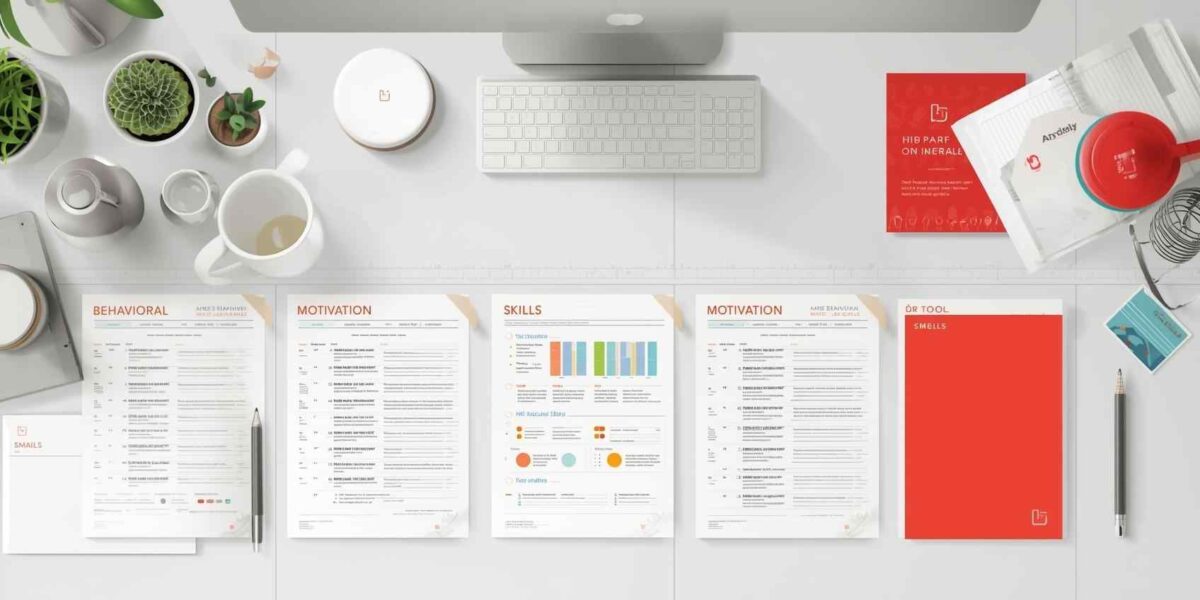
1. Behavioral trait assessments
These look at communication style, leadership preference, decision making, and emotional intelligence. They are useful for roles that require teamwork or stakeholder management.
2. Motivation and value inventories
These explore what drives engagement. Some people are motivated by achievement, some by recognition, some by stability. Knowing this helps managers set the right environment for that person.
3. Role specific personality profiles
Some assessments are designed for particular roles. For example, a sales focused personality test may look for resilience, persuasion, and optimism, whereas a service role might focus on empathy and patience.
4. Hybrid or combined assessments
These blend personality data with aptitude or skills testing to create a more complete picture. This approach works especially well in structured pre employment testing programmes where you want both attitude and ability.
The Benefits of Using Job Personality Tests
Smarter hiring decisions
Personality assessments add another data point to your selection process. When you look at CVs, interview answers, skills tests, and personality results together, you can make hiring decisions that are easier to explain and defend.
Better team dynamics
By understanding how a candidate prefers to work, you can place them in teams where their style is an asset. For example, pairing a highly detail oriented person with a fast moving strategist creates balance.
Reduced early turnover
Many early exits happen because the role did not match the person’s working style. A job personality test helps you catch that mismatch before you hire.
Support for leadership and development
The results are useful even after hiring. Managers can use personality insights to tailor coaching, feedback, and career paths. This links directly into your performance and development work.
Consistency and fairness
Using the same assessment for the same role creates a fair experience for candidates and improves compliance. Everyone is measured on the same criteria.

How to Integrate Job Personality Tests Into Recruitment
A job personality test should support your process, not replace it. The most effective setups combine testing with structured interviews, skills assessments, and manager input.
1. Define success for the role
Start by asking, What behaviours make people successful in this job. For a customer facing role, that might be patience and empathy. For a project role, it might be organisation and follow through. Defining these makes it easier to choose the right test.
2. Choose validated tools
Always pick assessments that are scientifically validated and reliable. GoPick Solutions delivers assessment solutions that are developed and validated by licensed psychologists and psychometricians so scoring is fair, job relevant, and secure.
3. Use personality results to guide interviews
Do not end the process with a report. Use the report to ask better questions. If a candidate scores high on assertiveness, ask for examples of how they handled disagreement. If they score lower on adaptability, ask how they respond when priorities change.
4. Train HR and hiring managers
Personality results can be misread if people are not trained. Offer short interpretation training so HR knows what each scale means and what it does not mean. This prevents overgeneralising.
5. Share key insights with candidates
Transparency makes the experience feel fair. Sharing high level results also helps candidates understand themselves better, which is a good lead in to structured employee onboarding.
Best Practices for Ethical and Effective Use
- Be transparent: Tell candidates why you are using a job personality test and how the results will be used.
- Ensure fairness: Use tests that are designed to minimise cultural or language bias.
- Protect data: Store assessment results securely and follow GDPR or other privacy rules.
- Use multiple methods: Combine personality test data with interviews, references, and work samples for the most accurate picture.
- Review effectiveness: Revisit your assessments every 6 to 12 months to confirm they still match the roles you are hiring for.

How GoPick Solutions Supports Smarter Hiring
GoPick Solutions helps businesses hire smarter and scale faster using validated assessments, HR expertise, and secure, cloud hosted platforms. Our tools are designed to give HR teams clarity on both skills and personality so hiring decisions are faster and better supported.
Whether you need personality assessments for volume hiring, leadership development, or international teams, we can tailor a solution around your roles, competencies, and technology.
Explore our assessment solutions or speak to a HR solutions consultant to implement personality testing in your recruitment process.
Final Thoughts
A job personality test is not a gimmick. It is a practical way to understand how people will behave once they are in the role. When you combine personality data with structured interviews, skills testing, and ongoing performance reviews, you get a recruitment process that is fairer, faster, and more reliable.
In competitive talent markets, the organisations that invest in data driven hiring, including personality assessments, will be the ones that build stronger, more stable teams.